Farming with nature

Aligning farming interests, scientific knowledge, and policy initiatives to promote biodiversity restoration in European agricultural landscapes

A European project rooted in real farming landscapes.

Agricultural landscapes are being asked to do more than ever: produce food, remain viable, adapt to climate pressure and recover the biodiversity that supports their long-term resilience.

FIREFLIES explores how biodiversity restoration can become part of real farm decision-making: practical in the field, meaningful for landscapes and useful for the policies that will shape Europe’s agricultural future.
Landscapes become quieter before we understand what has been lost.

Restoring biodiversity starts by listening.

Every farm is a system of decisions.

Crops, labour, machinery, water, soil, inputs, yields, markets, subsidies, risks, family planning and long-term land management are all connected. Biodiversity restoration can only move forward when this complexity is understood.

Across its five demo regions, FIREFLIES listens to this complexity through farmers, local actors and the living signals of each landscape.

The project combines field knowledge, biodiversity baselines and monitoring technologies to co-design restoration measures, assess their ecological, agronomic and economic effects, and identify the support farmers need to make biodiversity-friendly practices easier to adopt.

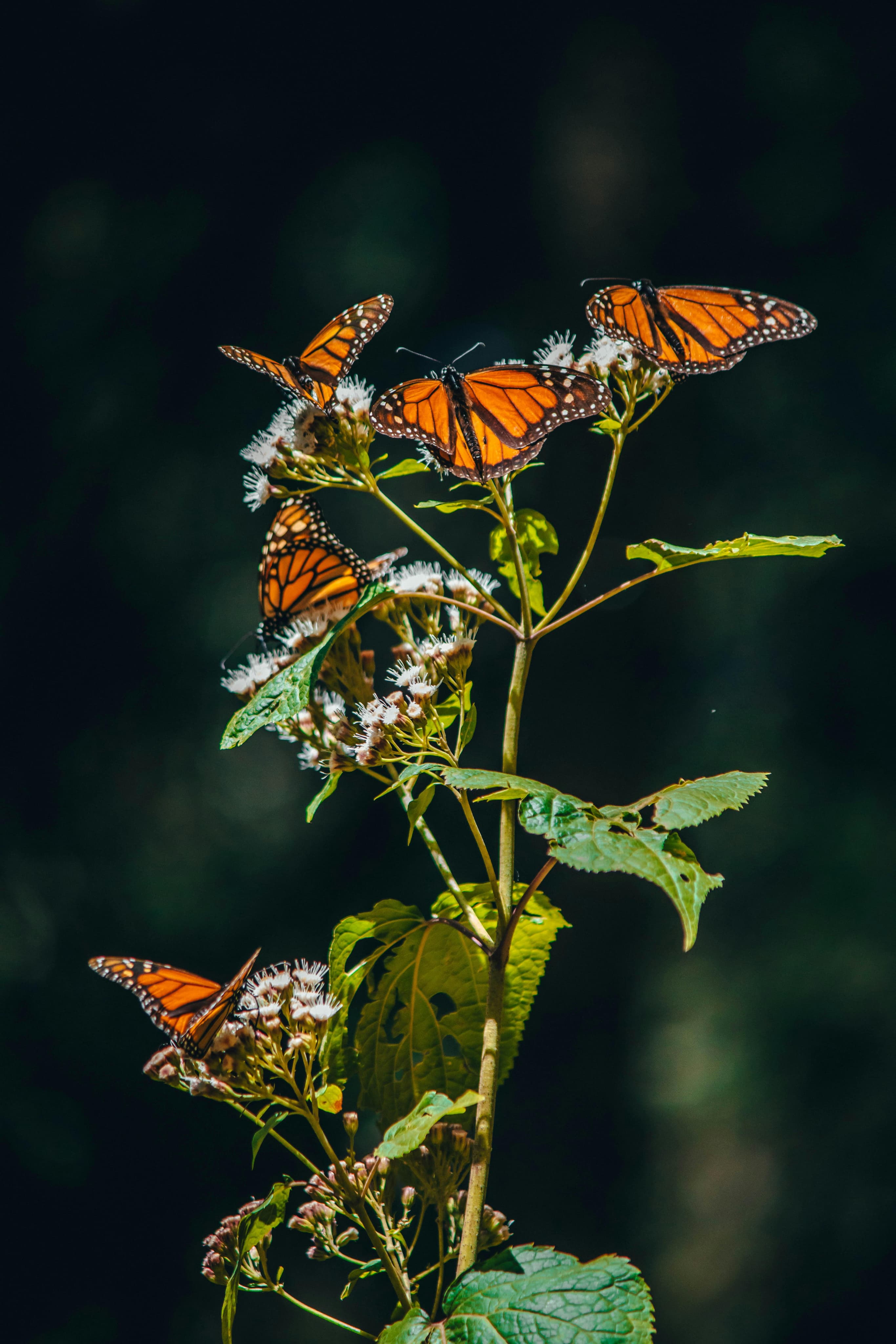
Butterflies on a tree leaf
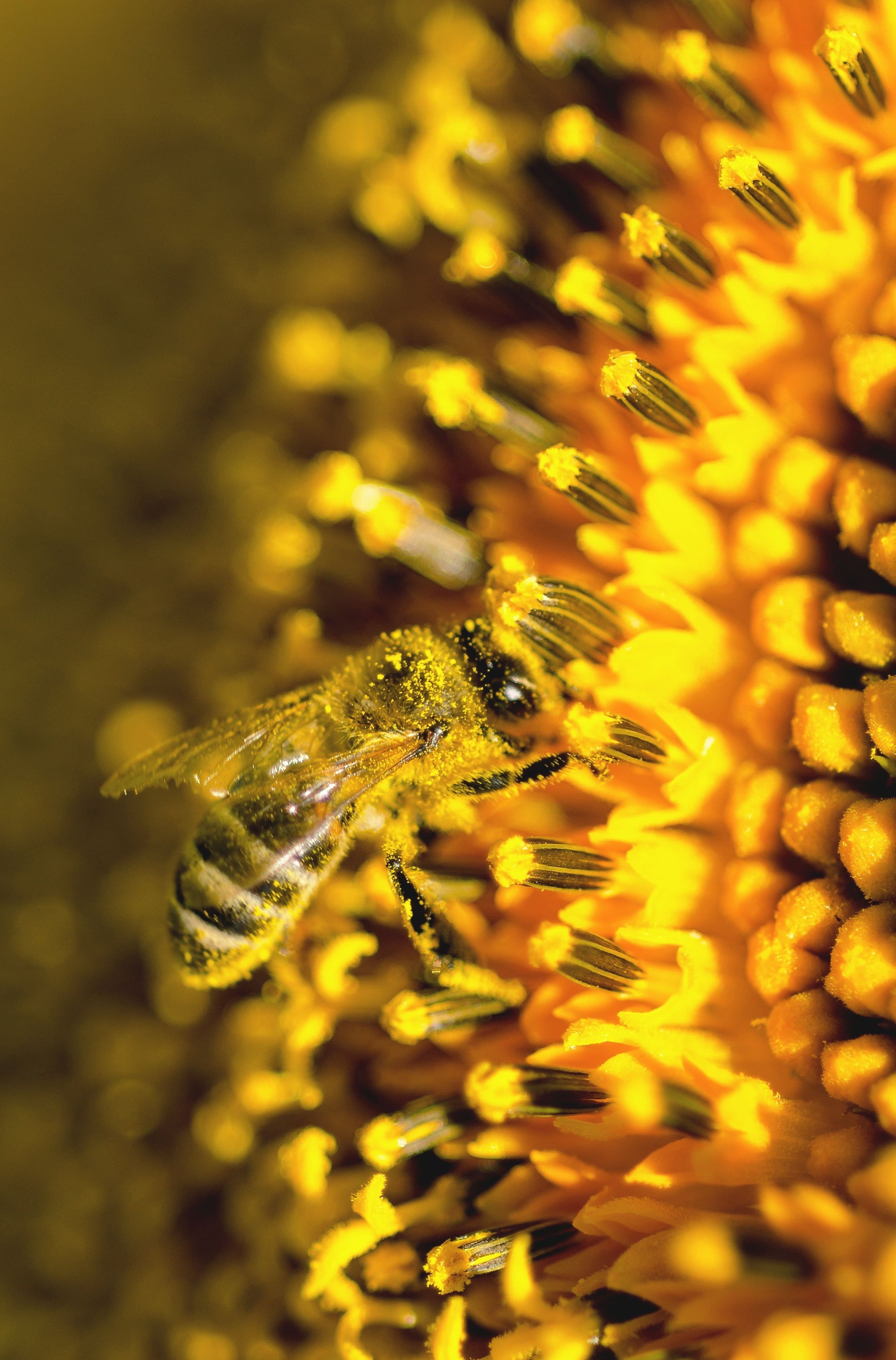
A close up of a bee polinizing

Productivity needs resilience.

European agriculture has achieved high levels of productivity,

often through systems that have simplified landscapes and reduced the ecological functions that support farming over time.

Pollinators, soil organisms, birds, natural enemies, vegetation, water flows and landscape features are part of the living infrastructure of agriculture.

Butterfly iconButterfly iconButterfly iconButterfly iconButterfly iconButterfly iconButterfly icon

Strengthening this living ecosystem means bringing biodiversity back into the way agricultural landscapes are managed. For this to happen at scale, restoration needs practical pathways: tested in the field, co-designed with farmers, supported by evidence and connected to better incentives and policies.

Restoring biodiversity starts by listening.

Every farm is a system of decisions.

Crops, labour, machinery, water, soil, inputs, yields, markets, subsidies, risks, family planning and long-term land management are all connected. Biodiversity restoration can only move forward when this complexity is understood.

Across its five demo regions, FIREFLIES listens to this complexity through farmers, local actors and the living signals of each landscape.

The project combines field knowledge, biodiversity baselines and monitoring technologies to co-design restoration measures, assess their ecological, agronomic and economic effects, and identify the support farmers need to make biodiversity-friendly practices easier to adopt.

Butterflies on a tree leaf

European agriculture has achieved high levels of productivity,

often through systems that have simplified landscapes and reduced the ecological functions that support farming over time.

Pollinators, soil organisms, birds, natural enemies, vegetation, water flows and landscape features are part of the living infrastructure of agriculture.

Butterfly iconButterfly iconButterfly iconButterfly iconButterfly iconButterfly iconButterfly icon

Strengthening this living ecosystem means bringing biodiversity back into the way agricultural landscapes are managed. For this to happen at scale, restoration needs practical pathways: tested in the field, co-designed with farmers, supported by evidence and connected to better incentives and policies.

Productivity needs resilience.

A close up of a bee polinizing

Restoring biodiversity starts by listening.

Butterflies on a tree leaf

Every farm is a system of decisions.

Crops, labour, machinery, water, soil, inputs, yields, markets, subsidies, risks, family planning and long-term land management are all connected. Biodiversity restoration can only move forward when this complexity is understood.

Across its five demo regions, FIREFLIES listens to this complexity through farmers, local actors and the living signals of each landscape.

The project combines field knowledge, biodiversity baselines and monitoring technologies to co-design restoration measures, assess their ecological, agronomic and economic effects, and identify the support farmers need to make biodiversity-friendly practices easier to adopt.

A close up of a bee polinizing

Productivity needs resilience.

European agriculture has achieved high levels of productivity,

often through systems that have simplified landscapes and reduced the ecological functions that support farming over time.

Pollinators, soil organisms, birds, natural enemies, vegetation, water flows and landscape features are part of the living infrastructure of agriculture.

Butterfly iconButterfly iconButterfly iconButterfly iconButterfly iconButterfly iconButterfly icon

Strengthening this living ecosystem means bringing biodiversity back into the way agricultural landscapes are managed. For this to happen at scale, restoration needs practical pathways: tested in the field, co-designed with farmers, supported by evidence and connected to better incentives and policies.

Our approach

Demo Regions

In the Northern Great Plain, large-scale cereal landscapes have been shaped by field consolidation and landscape simplification. FIREFLIES will explore how diversification, landscape features and CAP-supported measures can help restore ecological functions in highly productive areas.

FIREFLIES will focus on olive and citrus farming systems, where agroforestry and diversification can open new restoration pathways. The region will explore how locally adapted combinations of trees, crops and livestock can support biodiversity and farm resilience.

In the semi-arid Quípar River watershed, FIREFLIES will focus on rain-fed almond landscapes and water-related restoration practices. The region will explore how ponds, infiltration structures and natural vegetation can support biodiversity, water management and landscape resilience.

In the land of monumental olive landscapes affected by Xylella fastidiosa pressure and land degradation, FIREFLIES will explore how biodiversity-based restoration can help strengthen ecological resilience while protecting a unique cultural and agricultural heritage.

In the Middle Lithuanian Lowland, FIREFLIES will focus on fertile arable landscapes where permanent grasslands and semi-natural habitats have declined. The region will explore grassland restoration and the reintegration of hedgerows, buffer strips and flowering elements into farming systems.

Latest from FIREFLIES

News, events and findings from the project and its five demo regions.

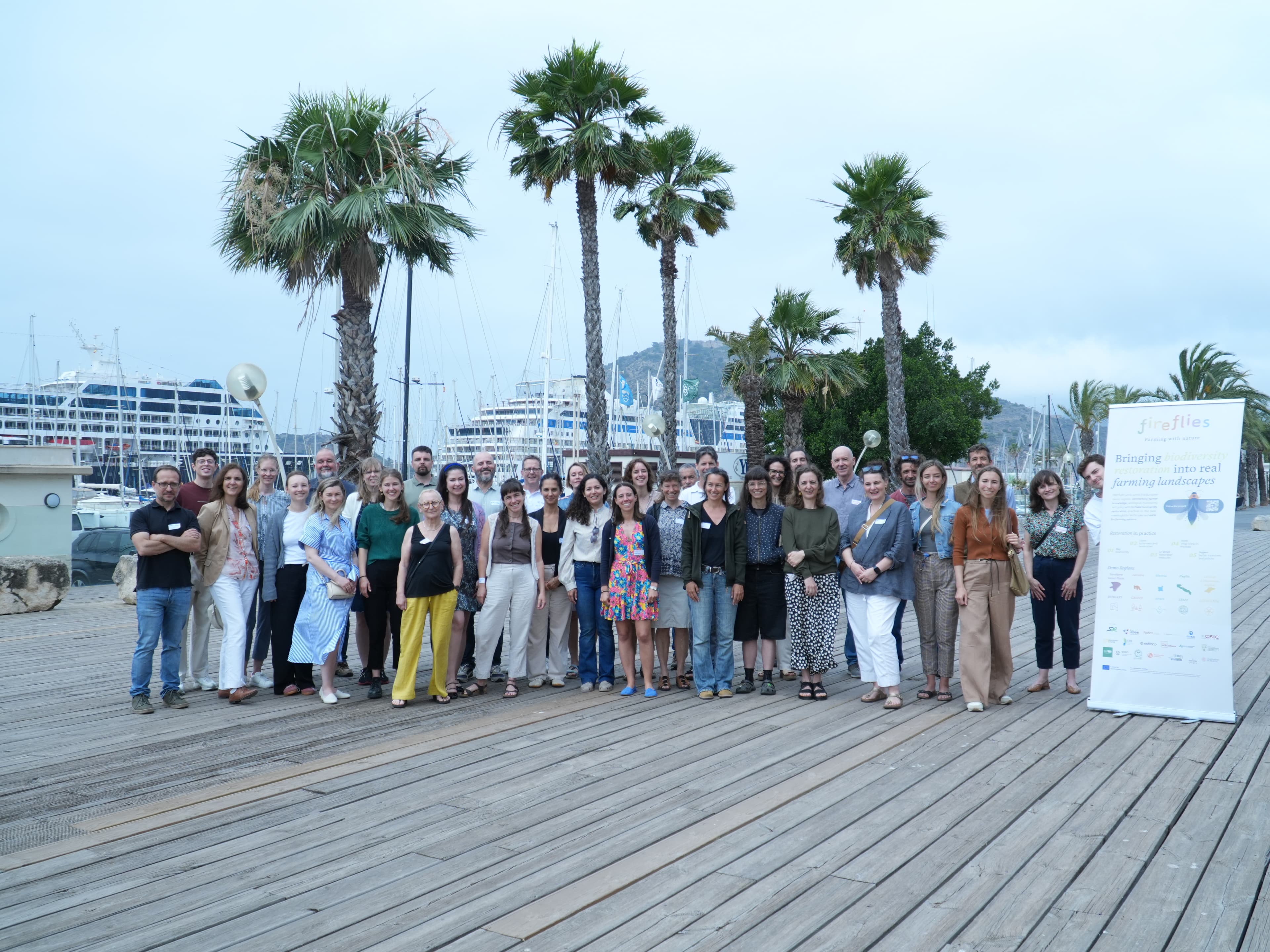
Group of people at the Fireflies kick off

FIREFLIES launches to turn biodiversity restoration into practical pathways for European agriculture

Across five demo regions, farmers, researchers and policymakers will work together to understand what works, what support is needed and how restoration can be scaled.

Read more

We are seeking fireflies; a small sign that light has returned where people farm, live and care for the land.

firefly icon

Knowing where the light already shines helps us bring it further.

Choose what data you share with us. Cookie Policy

Essential
Analytics
Preferences
Marketing

Knowing where the light already shines helps us bring it further.

Choose what data you share with us. Cookie Policy

Essential
Analytics
Preferences
Marketing